Construction Loans: Building Your Home From the Ground Up
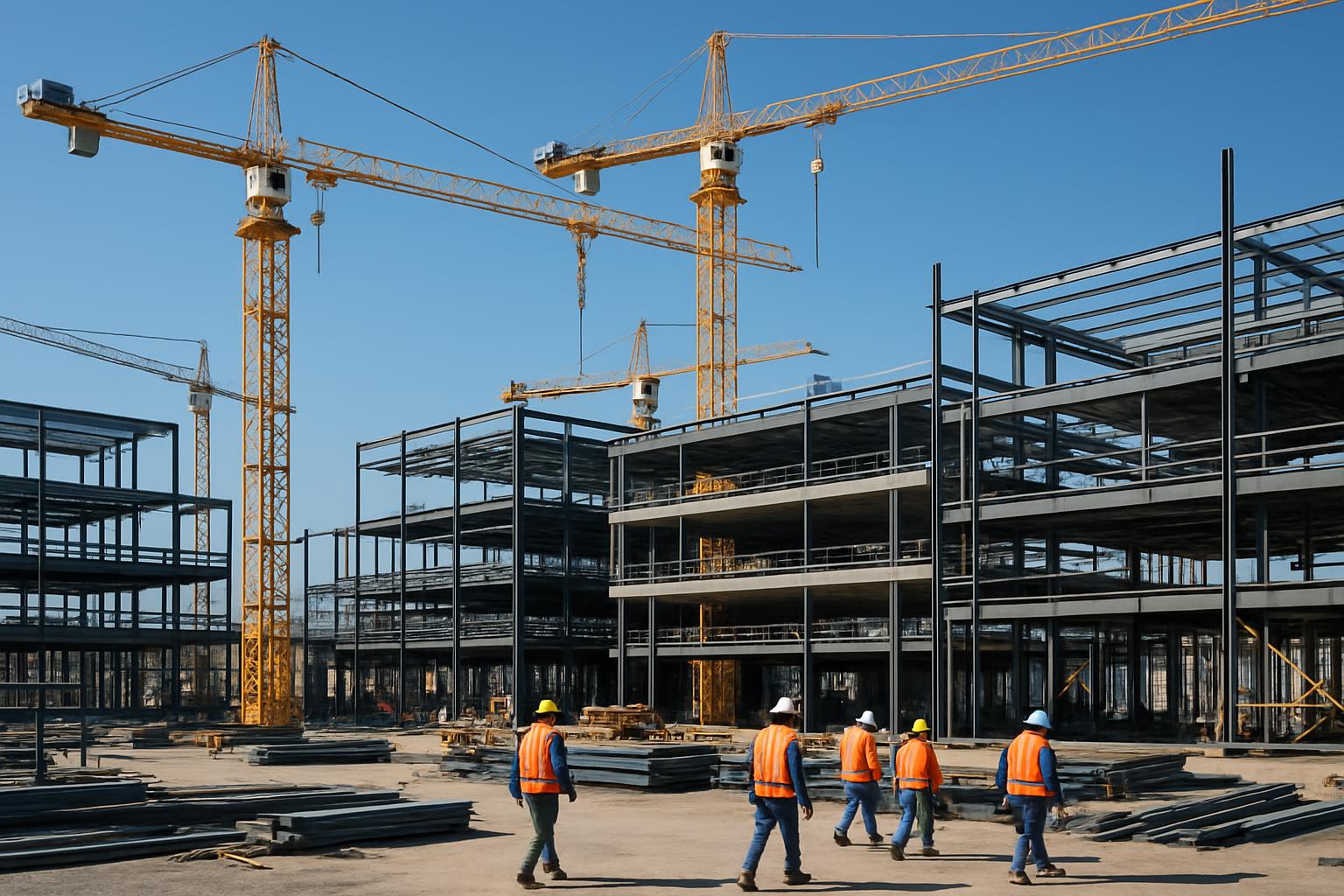

Building a custom home requires different financing than purchasing an existing property. Construction loans are short-term loans that provide funds in stages as the home is built rather than providing the full loan amount upfront. They require more planning, documentation, and lender involvement than traditional mortgages, but they allow borrowers to finance a home built precisely to their specifications from the ground up.
Coventry Enterprises LLC Loans prepared this guide to help prospective home builders understand how construction loans work, what they cost, and how to navigate the build-to-own process successfully.
One-Time Close vs. Two-Time Close Construction Loans
A construction-to-permanent loan, also called a one-time close, combines both the construction phase and the permanent mortgage into a single loan with a single closing. You only pay closing costs once. The loan starts as a construction loan during the build phase and automatically converts to a permanent mortgage upon project completion. The interest rate on the permanent portion is typically locked at the initial closing, protecting you from rate movements during the build period.
A stand-alone construction loan, often called a two-time close, funds only the construction phase. When the build is complete you close on a separate permanent mortgage, requiring two closings and two sets of closing costs. The trade-off for the added cost is more flexibility: you can shop for the best permanent mortgage rate closer to completion and you have the option to choose a different lender for the permanent loan than for the construction loan.
How the Draw Schedule Works
Construction loan funds are released in stages called draws, tied to specific milestones in the construction process. Typical draw milestones include site preparation and foundation completion, framing and roof, rough mechanical work covering plumbing, electrical, and HVAC, insulation and drywall, interior finishes including flooring and cabinets, and final completion with a certificate of occupancy. Before each draw is released a lender-appointed inspector visits the site to verify that the milestone work has actually been completed. Builders are paid from the draw funds, which flow through the lender rather than directly from the borrower.
Interest-Only During Construction
During the construction phase most borrowers make interest-only payments based solely on the amount drawn to date, not the full approved loan amount. As the build progresses and more draws are taken the monthly interest payment gradually increases. Full principal and interest payments begin only after the construction is complete and the loan converts to a permanent mortgage. This structure keeps monthly costs manageable during the period when the borrower may also be paying rent or carrying another housing cost.
Builder Approval Requirements
Lenders do not simply approve any contractor to receive construction loan funds. The builder must be licensed in the appropriate jurisdiction, carry general liability and workers compensation insurance, and meet the lender's approval criteria. Lenders review the builder's licenses, insurance documentation, track record, and in some cases financial statements. Working with a well-established, reputable builder with a track record of completed projects simplifies the builder approval process considerably.
Documentation Requirements
Construction loans require significantly more documentation than purchase loans. The lender needs detailed construction plans and specifications signed by the architect or builder, a signed construction contract with a fixed price or detailed allowances, an itemized construction budget breaking down all costs by category, evidence of builder approval, a land appraisal if land is being purchased or an existing land ownership deed if already owned, an appraisal of the completed home based on the plans and specifications, evidence of a contingency reserve fund, and the standard mortgage qualification documents for credit, income, assets, and employment.
Credit score minimums are typically 680 or higher with many lenders preferring 720 and above. Down payments are usually 20 to 25 percent of the total project cost including land value and construction budget. If you already own the land, the equity in it may count toward the down payment requirement.
Contingency Reserves
Construction projects almost always encounter unexpected costs. A foundation may require more excavation than anticipated, material prices may have risen since the bid was prepared, or weather delays may extend the timeline and add costs. Lenders require a contingency reserve of 5 to 10 percent of the construction budget held in documented liquid assets to cover these overruns. This reserve protects both the borrower and the lender from project failures caused by unforeseen cost increases.
Benefits of Construction Loans
- Build a completely custom home to your specifications
- Interest-only payments during construction keep early carrying costs manageable
- One-time close option minimizes total closing costs
- Staged draw release protects against contractor fraud or abandonment
Drawbacks
- More complex and time-consuming than purchasing an existing home
- Higher interest rates during construction phase than on permanent mortgages
- Extensive upfront documentation requirements
- Cost overruns can strain the budget if the contingency reserve is insufficient
- Timeline delays are common and extend the interest-only payment period
Common Mistakes to Avoid
Underbudgeting: Construction projects almost always cost more than initially estimated. Budget conservatively, maintain a healthy contingency reserve, and resist the temptation to upgrade specifications mid-build beyond what the contingency fund can absorb.
Choosing a builder based on price alone: The lowest bid often signals problems ahead including cut-corner work, cost overruns, or project abandonment. Verify the builder's track record, references, licensing, and insurance before signing.
Not having a rate lock strategy: With a one-time close your rate is locked at the initial closing and protected during the build. With a two-time close your permanent rate is not set until the build is complete, creating rate risk over the entire construction period.
When a Construction Loan Makes Sense
Construction loans make sense when you want a custom home and cannot find an existing property meeting your needs in your desired location. The process requires more patience than purchasing an existing home but delivers a property built entirely to your specifications. Having a reputable builder, a realistic budget with adequate contingency, and a clear financing plan before breaking ground is the foundation of a successful project. At Coventry Enterprises LLC Loans, we encourage borrowers to build their financial and planning foundation as carefully as their builder will construct the home itself.
Frequently Asked Questions
One-time close vs. two-time close?
One-time close combines construction and permanent financing in a single closing saving one set of closing costs. Two-time close uses separate closings with more flexibility for the permanent financing.
How does the draw schedule work?
Funds are released at specific construction milestones after inspector verification. Typically 5 to 7 draws over the course of the build.
What interest do I pay during construction?
Interest only on the amount drawn. As more draws occur the monthly interest payment gradually increases until conversion to the permanent mortgage.
What is a contingency reserve?
5 to 10 percent of the construction budget reserved for cost overruns. Required by most lenders and essential for protecting the project.
Do I need to own the land first?
No. Land purchase can often be included in the construction loan. Existing land ownership may count toward the required down payment.